How Bullying About Crooked Teeth Affects Confidence
Dr. Aishwarya Kamble
10/31/20252 min read
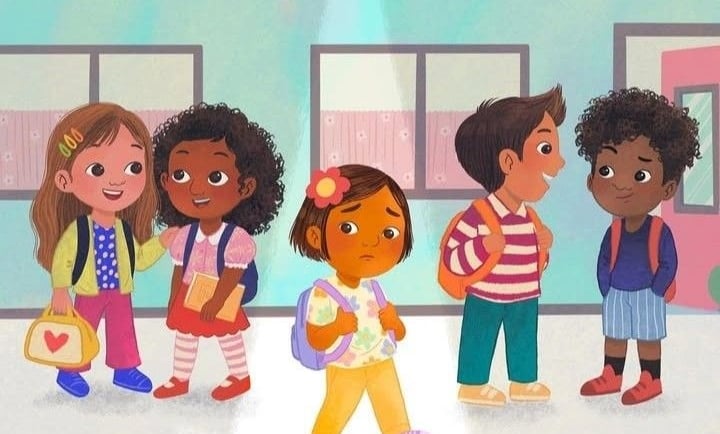
We all know that school years can be tough — from exams to friendships to fitting in. But what if something as simple as a child’s smile becomes the reason for teasing?
Unfortunately, “crooked teeth” often become an easy target for bullies. And while adults may shrug it off as “kids being kids,” the emotional toll can linger far longer than the braces ever will.
Let’s talk about how teasing over teeth can quietly chip away at a child’s confidence — and what parents (and dentists!) can do about it.
🦷 1. When Smiles Become Self-Conscious
A child’s smile is supposed to be full of joy — not hesitation. But when they’re teased for their crooked or “funny-looking” teeth, many children start hiding their smiles in photos or laughing with their hands over their mouths.
What starts as a small habit can soon affect how they see themselves. Low self-esteem can lead to social withdrawal, anxiety, and even reluctance to speak up in class.
💬 One young patient once told us, “I stopped smiling because every time I did, someone pointed it out.” — heartbreaking, right?
👄 2. “It’s Just a Phase” — But Not Always Emotionally
Parents often reassure themselves that crooked teeth are temporary — “We’ll fix it with braces later.” But kids live in the now.
Even if orthodontic treatment is planned for the future, the emotional bruises from teasing can start early and stick around.
Children don’t separate “how I look” from “who I am.” So while alignment issues can be corrected with braces, the self-image issues take longer to heal.
🎯 3. The Confidence Domino Effect
Here’s the tricky part — confidence doesn’t just affect smiles. It affects everything.
Kids who are teased about their teeth may:
Avoid talking or smiling in groups.
Participate less in school activities.
Struggle to make friends.
Over time, this can impact communication skills and self-expression — skills that shape their personality well into adulthood.
🪄 4. The Power of a Positive Dental Experience
Now for the good news — dentists and parents together can flip the script!
✨ Early evaluation: Regular dental checkups can spot developing alignment issues early. Sometimes, simple interceptive treatments can guide jaw growth and prevent more serious crowding.
✨ Empowerment through education: Teach kids that every smile is unique — and that braces, aligners, or retainers are superhero tools helping their teeth line up perfectly.
✨ Build confidence, not fear: Pediatric dental visits shouldn’t feel like punishments. A warm, friendly clinic atmosphere can make a world of difference. When kids feel cared for, they start to care about their smile again.
🌈 5. Smiles That Grow with Confidence
Correcting crooked teeth isn’t just about straight lines — it’s about restoring self-esteem.
When children feel confident in their smiles, they interact more, laugh louder, and step into the world with joy instead of fear.
Because every child deserves to smile without second-guessing it. 💛
Bottom line: Fixing a smile can fix far more than teeth — it can rebuild confidence, one grin at a time.
SMILE SAFARI
CHILD AND FAMILY DENTAL CLINIC
Address
Building no. 12, Shop No. 2, Andheri Sahakari CHS Ltd. Ganesh Chowk, D.N. Nagar, Andheri West, Mumbai-400053
Contact Us
+918169138816
smilesafaridentalclinic@gmail.com